 Chat Now

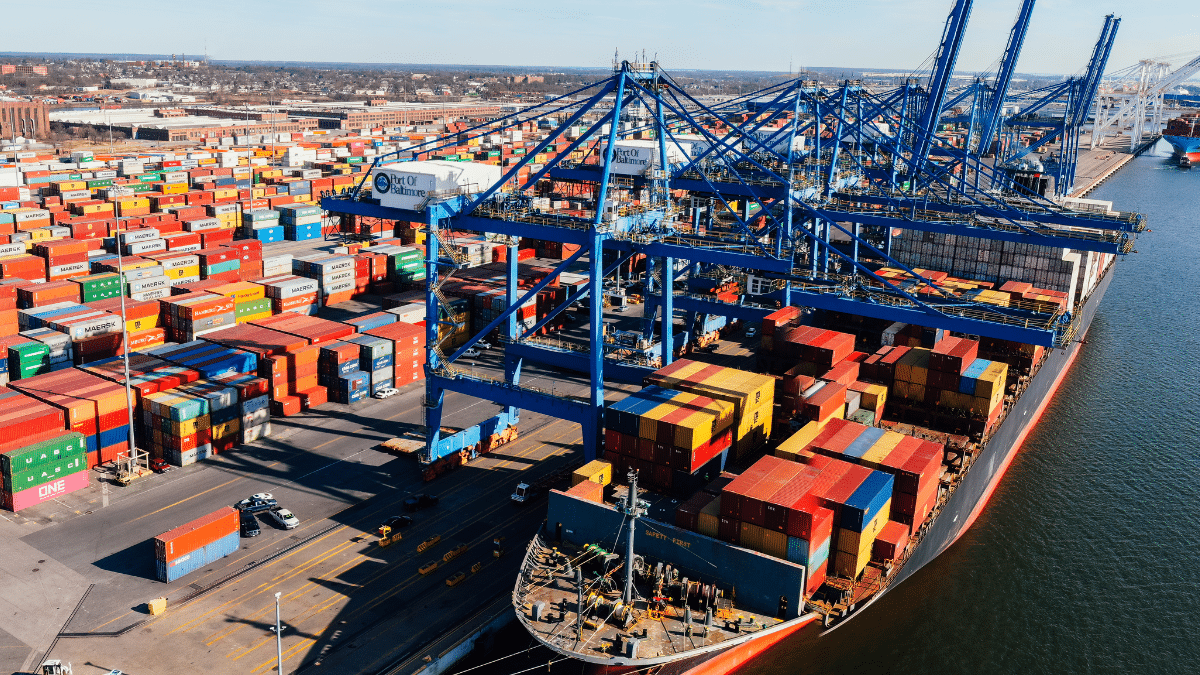
Much has changed, and continues to change, in international relations and cross-border shipping. Being compliant and understanding the rules for shipping through key global shipping routes is critical to your success as a freight forwarding company.
With rising trade volumes and political shifts, freight forwarders are facing new and ever-changing challenges that they must overcome for the benefit of their customers and clients. Failing to meet these new challenges could result in delays, fines, and a tarnished business reputation.
Keep reading to learn the latest news about cross-border and regional shipping.
Cross-border shipping and customs procedure changes
Here are two major customs changes that may affect your shipping routes and logistics:
1. EU ICS2 Release 3 (as of April 1, 2025)
The Import Control System 3 is the enhanced pre-arrival safety and security system in Europe. This new procedure update introduces new filing regulations for shipments entering Europe with house-level ENS data.
As a freight forwarder or shipper, shipments travelling to/from or transiting through the region, you must submit the following for each shipment:
- A detailed, accurate commercial description of goods
- The 6-digit HS commodity code
- Details for the seller, buyer, consignee, and consignor
- The shipments’ EORI number (Economic Operator Registration and Identification number)
This comes into effect in three phases between December 2024 and September 2025. To prepare, ensure your shipping documents and systems integrate with approved ISC2 systems to avoid avoidable delays.
For more details about EU ICS2 Release 3 compliance, read the European Commission website.
2. U.S. ACE and ISF enhancements
The Automated Commercial Environment (ACE) system is now required for all filings, both within and outside the United States. ACE is the U.S. electronic Single Window platform for all trade processing, including manifest, Cargo Release, Post-release, Export, and Partner Government Agency (PGA) data.
In addition, the ISF “10+2” framework includes additional mandatory fields. These are designed to improve pre-arrival risk targeting. It includes more detailed party-level details and additional bond information.
Tariff and duty changes
Much of the world has been following the news about changes to tariffs and reciprocal tariffs. While this is still evolving, at the time of publishing this article, here’s what we know about newly announced tariff and duty changes:
- President Trump proposed a 35% tariff on all Canadian Products entering the US (as of August 1, 2025).
- US proposes 50% new tariff on copper imports (As of August 1, 2025).
- US plans a 200% tariff on pharmaceutical imports to the US (next year).
- Reciprocal tariffs on several countries.
Some countries, like Canada, have introduced their own tariffs in response to the US. For example, Canada has imposed a 25% tariff on all eligible imports from the US.
It’s challenging to accurately predict which tariffs will continue, which will be rescinded, or which will be introduced in the future. The best way freight forwarders can prepare is to always review the material composition with your shippers and prepare for changing or potentially layered tariffs.
Global customs and trade policy updates
Here’s what’s new, at the time of publishing, in the world of global customs and trade policies:
1. EU Customs Data Platform
In March 2025, the European Central Bank launched a unified digital customs environment. This project aims to “replace paper-format customs procedures with EU-wide electronic procedures to create a more efficient and modern customs environment.” It will provide a digital record of shipments travelling through the region and improve shipment safety and security checks.
To prepare for this update, ensure your documentation aligns with the EUB digital systems environment and that you’re tracking appropriate carbon metrics for the CBAM program.
2. Carbon Border Adjustment Mechanism (CBAM)
The Carbon Border Adjustment Mechanism (CBAM) now includes hydrogen, polymers, and fertilizers. Starting in 2026, importers need to register to purchase CBAM certificates based on the weekly average auction price of EU ETS allowances. Importers must declare emissions and surrender the appropriate certificates each year.
To prepare for this, begin tracking appropriate carbon metrics for the CBAM program.
3. Brexit: UK‑Ireland Controls
As of January 2025, all goods travelling from Ireland to Great Britain require full customs clearance that aligns with post-Brexit customs protocols. View the details of these requirements on the Irish Tax and Customs website.
For freight compliance, ensure you have the required documentation for these shipments. If this is not possible, consider alternative transit routes.
4. Asian Customs Updates
Trade and customs updates are occurring in Southeast Asia, a common shipping route and popular origin point for shipments globally:
- Vietnam: You must submit your digital customs documentation at least 24 hours before sea arrival.
- Thailand: Review new import tax classifications for machinery and electronics.
- China: Check current tariffs and counter-tariffs on US-origin goods, ranging from agricultural products to automotive parts. Check with your customs broker for the most up-to-date tariff and tax information.
The best way to future-proof your business for changes in Asian customs and tariffs is to build local expertise in this region, staying informed about updates and changes.
How to avoid customs delays in freight forwarding
As you know, customs delays can be costly, and you’ll either have to eat that cost or pass it along to your customers (who won’t like it). It’s your responsibility to ensure that your shipments are customs-compliant and freight-compliant with any region or country through which they’re routed.
This challenge is actually an opportunity to differentiate yourself from your competitors. Be the local resource who can navigate these customs challenges with ease, so your customers can rely on your services and professionalism. Stay up-to-date on all shipping and customs regulations in your region, as well as the latest shipping routes.
One way to stay compliant is to join a business networking group in the industry. RWSolutions/CLN Premier business networks provide member education, workshops, training, and networking opportunities. They can help you stay on top of the ever-evolving industry, allowing you to maintain your competitive edge. Learn more about RWS/CLN Premier networks for your niche or region to get started.